
portable makeup light
Understanding One-Way Check Valves Functionality and Applications One-way check valves are crucial components in various fluid systems, utilized across numerous industries including water treatment, oil and gas, chemical processing, and HVAC systems. These valves allow fluid to flow in one direction while preventing backflow, thereby ensuring the efficiency and safety of fluid transfer processes. What is a One-Way Check Valve? A one-way check valve is a simple yet effective device that automatically prevents the reverse flow of liquids or gases. The design typically includes a valve body, a disc or ball that acts as the closure mechanism, and a seat against which the disc or ball seals when backflow occurs. This mechanism is key in various applications where maintaining the direction of fluid flow is vital for operational stability and system integrity. How Do One-Way Check Valves Work? The primary operation principle of a one-way check valve is based on fluid pressure. When the upstream pressure (the pressure in the system pushing the fluid towards the valve) exceeds the downstream pressure (the pressure on the opposite side of the valve), the valve opens, allowing fluid to flow through. Conversely, when the downstream pressure exceeds the upstream pressure, the valve closes, preventing any fluid from flowing back into the system. This automatic response ensures that the flow direction is maintained, which is essential for preventing damage to equipment and maintaining system efficiency. Types of One-Way Check Valves There are several types of one-way check valves, each suited for specific applications 1. Ball Check Valve This design features a spherical closure element that moves up and down to allow or block flow. It is used in applications requiring tight sealing and minimal leakage. 2. Swing Check Valve Utilized in larger systems, its armature swings on a hinge to allow fluid flow . This type offers a simple and effective solution for many drainage and sewer systems. one way check valve 3. Lift Check Valve This valve design incorporates a disc that lifts off the seat as fluid passes through. It is commonly used in high-pressure applications. 4. Diaphragm Check Valve This features a flexible diaphragm that opens and closes in response to fluid pressure changes, suitable for gases and corrosive fluids. Applications of One-Way Check Valves One-way check valves are widely used in several applications - Water Supply Systems To prevent backflow, maintaining water quality by ensuring that contaminated water doesn’t enter the clean water supply. - Pumping Stations To prevent reverse flow when pumps are turned off, protecting equipment and maintaining system pressure. - Chemical Processing In processing plants, to ensure that chemicals only flow in one direction, preventing cross-contamination of substances. - HVAC Systems Utilized in heating systems to ensure that heated water flows in the correct direction, optimizing energy efficiency and system performance. Benefits of Using One-Way Check Valves The use of one-way check valves offers numerous benefits - Prevent Backflow They ensure that system integrity is maintained, protecting pumps, compressors, and other equipment from damage due to reverse flow. - Simple Design Their uncomplicated design allows for easy installation and maintenance. - Durability Made from robust materials, they can withstand high pressures and various fluids, contributing to a longer lifespan of the system. - Cost-Effective By preventing backflow and protecting equipment, check valves can reduce maintenance costs and extend the operational lifespan of system components. Conclusion In summary, one-way check valves are essential components in fluid handling systems, providing reliable performance and protection against backflow. With various designs suited for different applications, they are indispensable in maintaining the integrity and efficiency of diverse industrial processes. Understanding the functionality and application of these valves allows engineers and technicians to make informed decisions, ensuring reliable and safe operation across various fluid systems. As industries continue to evolve, the role of one-way check valves remains significant in promoting efficiency and safety in fluid management.
about
portable makeup light
Guida e Sicurezza Il Ruolo delle Barriere di Sicurezza Le barriere di sicurezza, comunemente note come “guide rail” in inglese, rivestono un ruolo fondamentale nella sicurezza stradale. Queste strutture sono progettate per separare i veicoli dal traffico opposto o per impedire che un veicolo fuoriesca dalla carreggiata. La loro funzione primaria è quella di ridurre il rischio di incidenti stradali e di proteggere sia gli automobilisti che i pedoni. Storia e Sviluppo delle Barriere di Sicurezza Le prime forme di barriere di sicurezza sono state introdotte nel corso del XX secolo, quando i tassi di incidente iniziavano a crescere in modo significativo a causa dell’aumento del numero di veicoli sulle strade. Inizialmente, queste barriere erano costruite in legno o pietra, ma con il progresso della tecnologia e dei materiali, si sono evolute in strutture più robuste in acciaio o plastica rinforzata. Oggi, le barriere vengono progettate e testate secondo standard rigorosi per garantire un livello di sicurezza elevato. Tipi di Barriere di Sicurezza Esistono diversi tipi di barriere di sicurezza, ciascuna con caratteristiche specifiche. Le barriere a doppio angolo, per esempio, sono progettate per deviare i veicoli in caso di impatto, riducendo così il rischio di ribaltamento. Le barriere attenuative, invece, sono progettate per ridurre la forza dell’impatto, assorbendo parte dell’energia cinetica del veicolo. Inoltre, ci sono barriere temporanee, spesso utilizzate nei cantieri stradali, che possono essere facilmente installate e rimosse. Vantaggi delle Barriere di Sicurezza guide rail L’implementazione delle barriere di sicurezza ha portato a una riduzione significativa degli incidenti stradali. Esse fungono da elemento di dissuasione, poiché la loro presenza fa sì che gli automobilisti prestino maggiore attenzione e modifichino il loro comportamento alla guida. Inoltre, le barriere contribuiscono a mantenere un flusso di traffico più ordinato, evitando situazioni di pericolo dovute a manovre azzardate. Le barriere di sicurezza non solo proteggono gli utenti della strada, ma svolgono anche un ruolo importante nella protezione dell’ambiente. Impedendo che i veicoli escano dalle strade, esse riducono il rischio di danni a flora e fauna locali. Inoltre, in caso di maltempo, possono servire a mantenere i veicoli sulla carreggiata, riducendo il rischio di incidenti causati da condizioni scivolose. Sfide e Futuro delle Barriere di Sicurezza Nonostante i numerosi vantaggi, le barriere di sicurezza presentano anche alcune sfide. Una delle principali preoccupazioni è rappresentata dalla loro manutenzione. Le barriere danneggiate devono essere riparate o sostituite tempestivamente per garantire la sicurezza degli utenti della strada. Inoltre, con l’avvento delle nuove tecnologie, come i veicoli a guida autonoma, è fondamentale rivedere le specifiche progettuali delle barriere per adattarle a scenari futuri. Un altro aspetto da considerare è l’estetica. Le barriere sono spesso percepite come elementi di disturbo del paesaggio urbano e naturale. Ciò ha portato a ricerche e sviluppi per creare barriere più integrate nel contesto ambientale, utilizzando design innovativi e materiali eco-sostenibili. Conclusione Le barriere di sicurezza, o guide rail, sono un elemento essenziale per la sicurezza stradale. Proteggendo gli automobilisti e i pedoni e contribuendo a mantenere l'integrità ambientale, queste strutture continuano a evolversi per affrontare le sfide del presente e del futuro. Investire nella loro progettazione, manutenzione e innovazione è cruciale per la creazione di strade più sicure e sostenibili.
-

High quality industrial productsagement

High quality industrial products
View Details -

Meet the diverse needs of customers

Meet the diverse needs of customers
View Details -

Strict quality control

Strict quality control
View Details -

Top raw materials

Top raw materials
View Details -

Trusted supplier

Trusted supplier
View Details
Our application


news and information
vysoce kvalitní vodové hladiny
Vysoce kvalitní nivelace Klíč k dokonalosti v každé stavbě Když se zamýšlíme nad stavbou nebo jakýmk
Water Control Solutions for Efficient Valve Management in Plumbing Systems
The Importance of Valve Water Management in Industrial Applications In various industrial operations
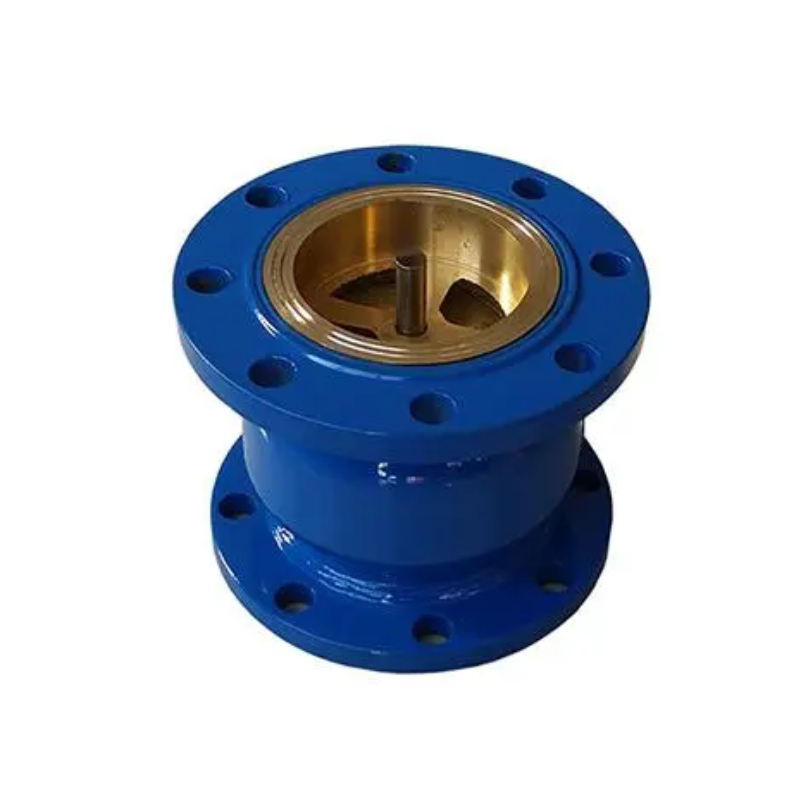
VVS-kontrollerventil
Plomberingskontrollventil En Viktig Komponent för Vattensystem Inom VVS (värme, ventilation och sani
 English